But what does it mean to end an invitation to get outside and write under the influence of nature? Is there a line in the sky that divides Write Out from the rest of the days of the year?
For me, there isn’t.
Writing under the influence of nature is a practice for the entire year…something we practice in community during October and continue in our own places in our own ways during the rest of the year.
I love my growing tool kit of practices:
the Hawaiian Kilo
Grant Snider’s poetry comics
a growing list of mentor texts
my favorite wonder walks (in all their varieties)
wishes and hopes and dreams
data dives
questions
and so much more
I know that my students benefit from expanding the classroom beyond the walls that hold our tables. Notebooks and sketchbooks and pencils are portable. We use them in the garden, on the playground, while examining the bug crawling up the wall, when smelling the passion fruit that is so abundant that it threatens the fence it grows on…
So we’ll keep writing out, doing Write Out as October folds into November and as winter shifts to spring. And I will also keep up my practice of spending time daily outdoors and letting my place inspire my thinking and my writing.
Thanks NWP for Write Out. It’s a gift that continues to give.
I spent the morning with writing project colleagues–writing, reading, thinking, and talking. It was the first of our virtual study groups. Participants chose from one of three books: Tell Your Story, Writer to Writer, and Cultures of Thinking in Action. We started the morning as a whole group, writing our way into the day and then moving into breakout groups to share our writing and to connect with our colleagues. Each of our three meetings will also offer a “taste” of one of the books. This morning, it was Writer to Writer. We learned about Exploration Boards (in workshop 4). One of my take-aways was that data could work as a writing prompt.
I keep thinking about the ocean and all the devastating impacts our current climate crisis is wreaking. The warm waters that I love are devastating our kelp forests and the ecosystem they provide for numerous species. The awe-inspiring sightings of orcas off our coast are the result of ocean changes that are disrupting food chains and contributing to starvation events for sea birds.
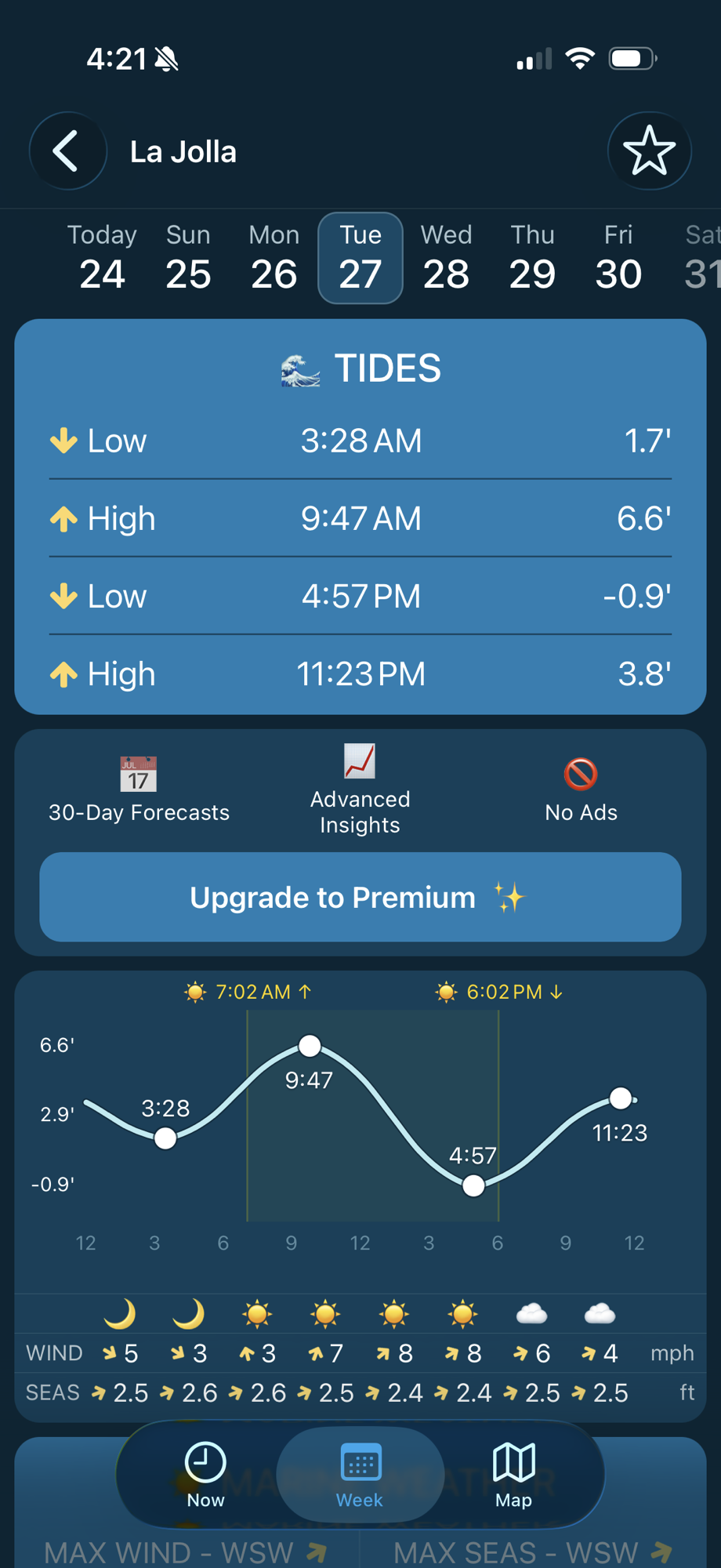
We often think about storms as the cause of flood events, but along the coastline tidal changes can cause huge amounts of devastation. An instagram reel I watched this morning was a vivid reminder of the havoc high tides can cause. I love a low tide–and we have some low ones coming this week that will provide an amazing walking beach and maybe even some tide pooling opportunities.
But those low tides also mean very high tides. It means that the trains that run along the coast will not be running for fear of the wave activity impacting the railroad tracks. It means coastal flooding of roads, dangers to homes, and potential cliff collapses.
When I open my weather app, I see a coastal flood warning right below the temperature. Combined with this graph from my tide app, I can see that very high tides are the reason. How often do we use charts and graphs of data to help us understand information? How often do we offer this kind of data to students? How can making sense of data also become a writing prompt? What kind of data is relevant to your place and can help those who live there take action?
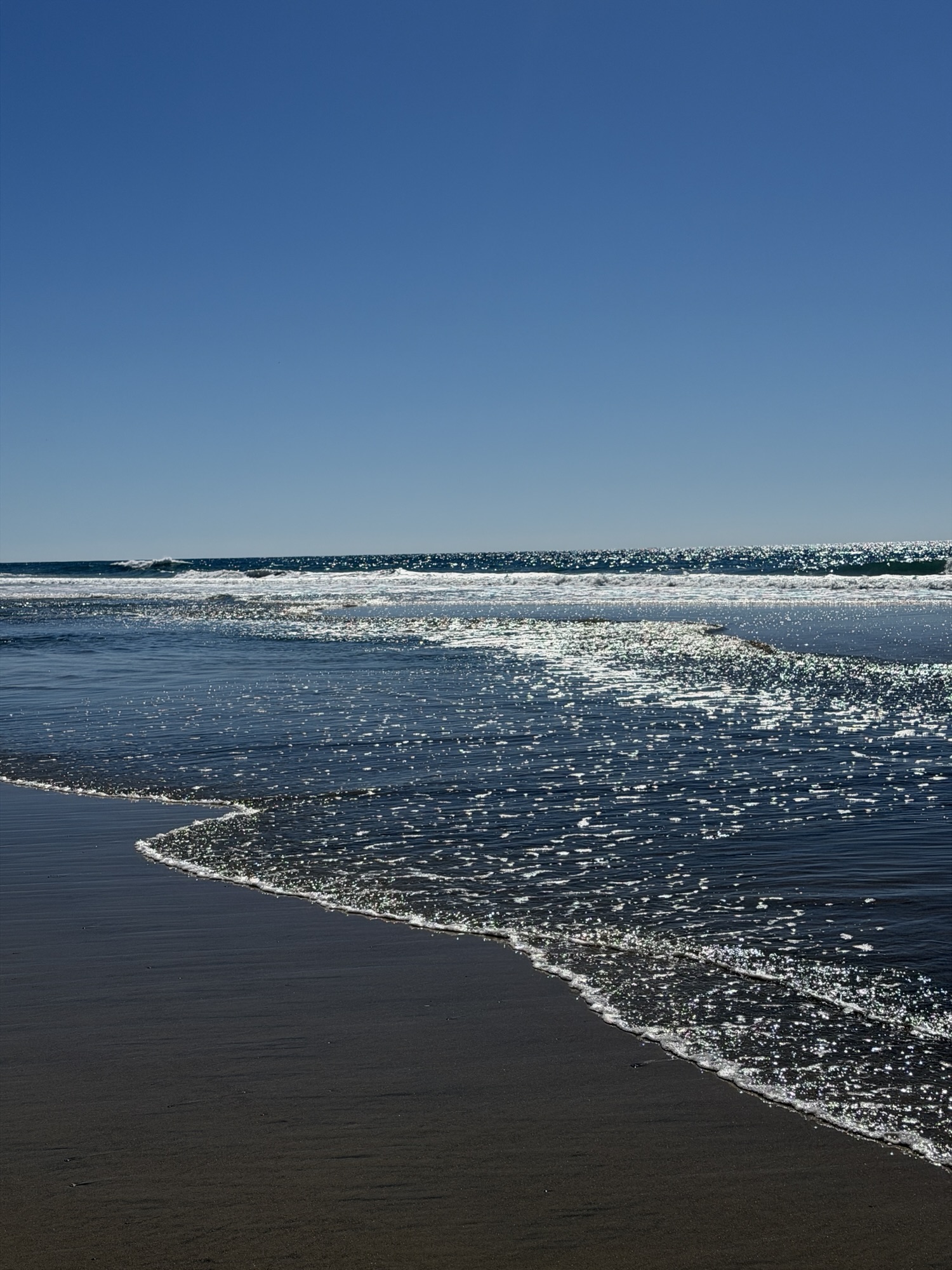
My beautiful walk on the low tide beach today also became a time for thinking about data and fueled my writing about the (literal) ups and downs of the ocean.
It was a gorgeous day on the beach, in spite of my ongoing worries about our coastal environment.
Writing with my students is always a highlight. Well, maybe not always. Early in the school year first graders have doubts about their ability to write and they want to ask an adult to spell every word they write. And then once you spell it, they struggle to read it back since so many of the words they want to write are not easily decoded by emerging readers.
Over the last couple of weeks (which happens to correspond with Write Out), I’ve noticed a significant jump in both confidence and independence of the first grade writers in my room. They are trusting their phonics abilities and using their knowledge of sounds and words to write–and they are also beginning to use more details and extend their thoughts beyond simple sentences. And…because they are putting their growing phonics skills to use, they are able to easily read their writing back (and I can read it too!).
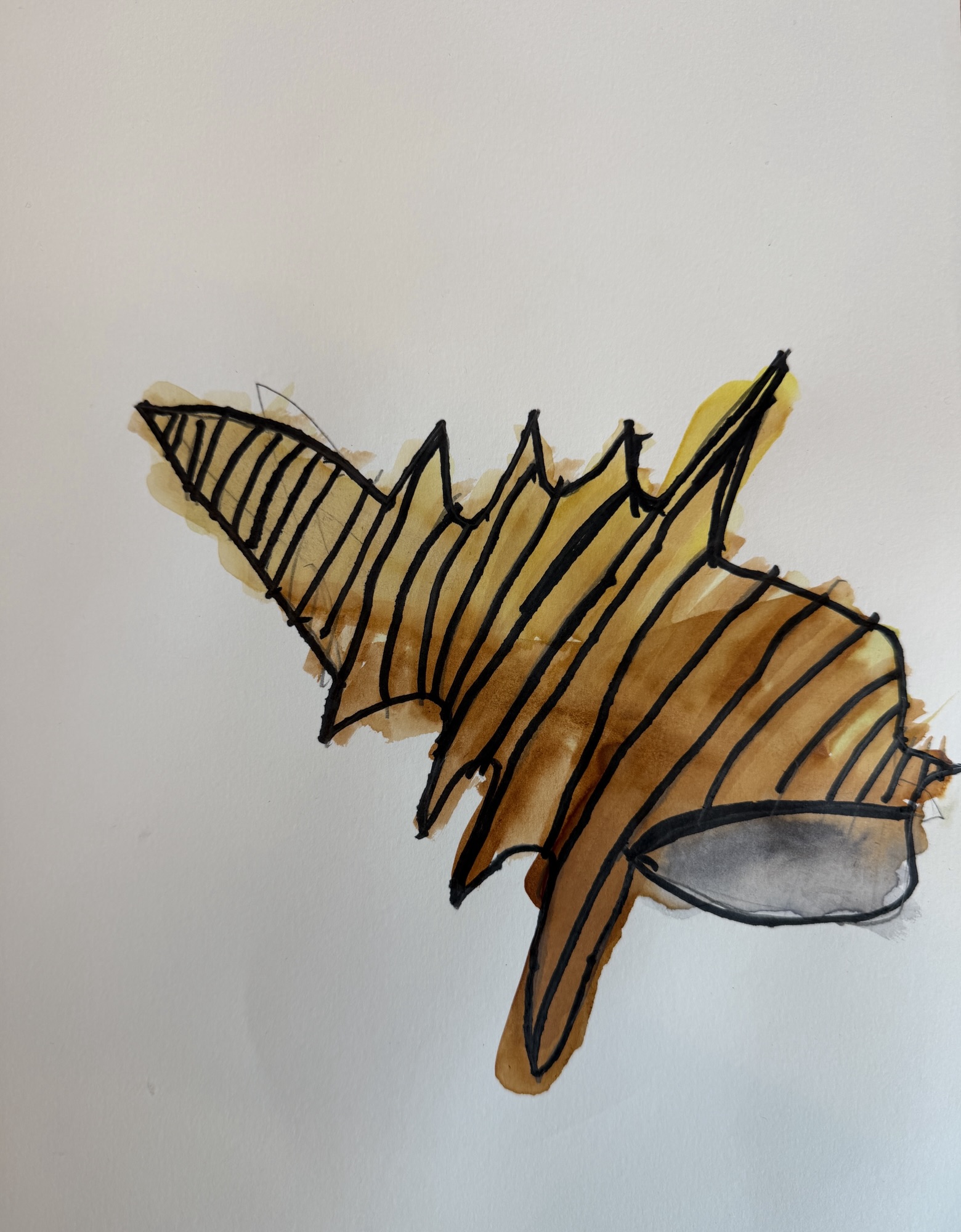
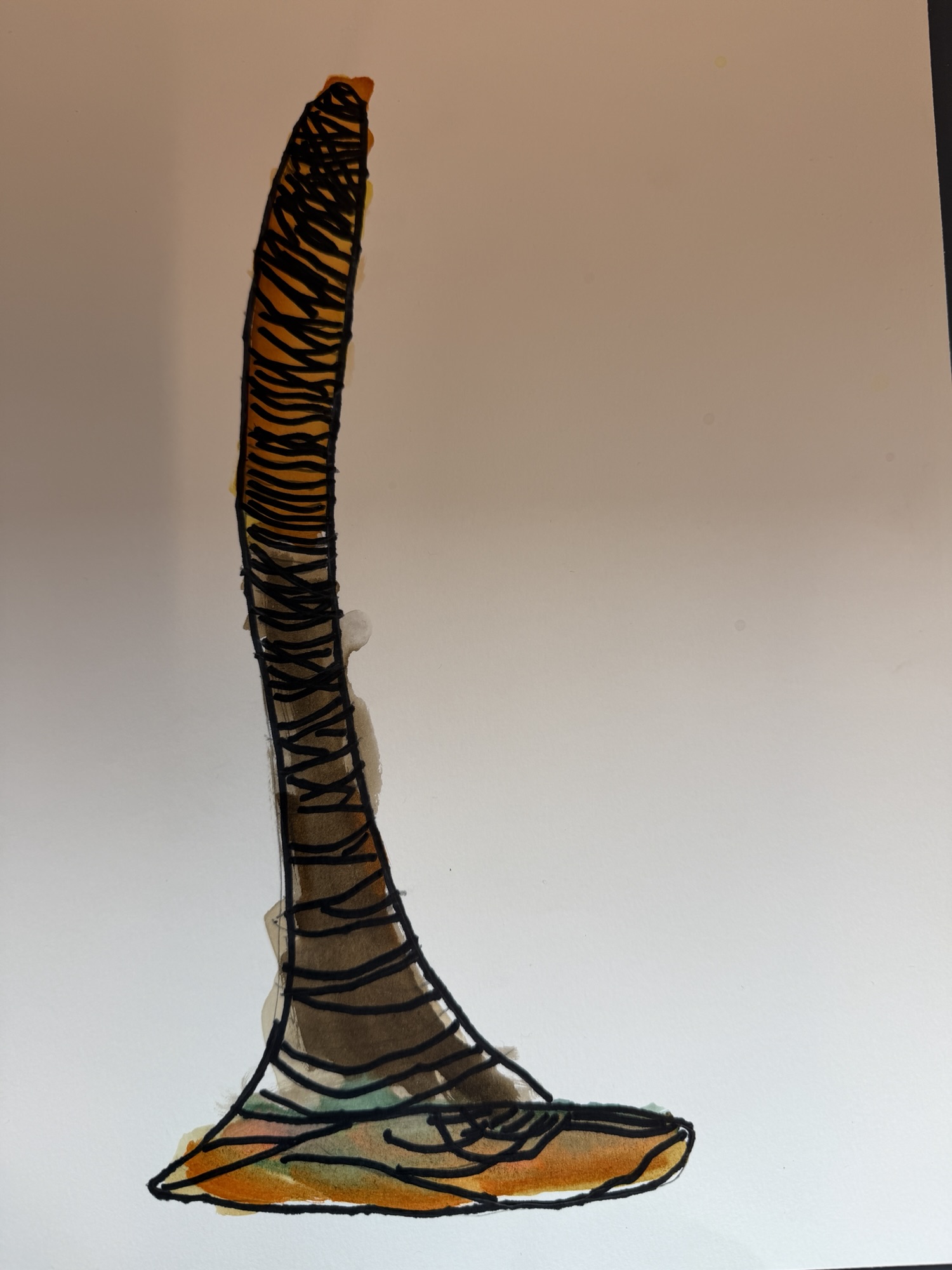
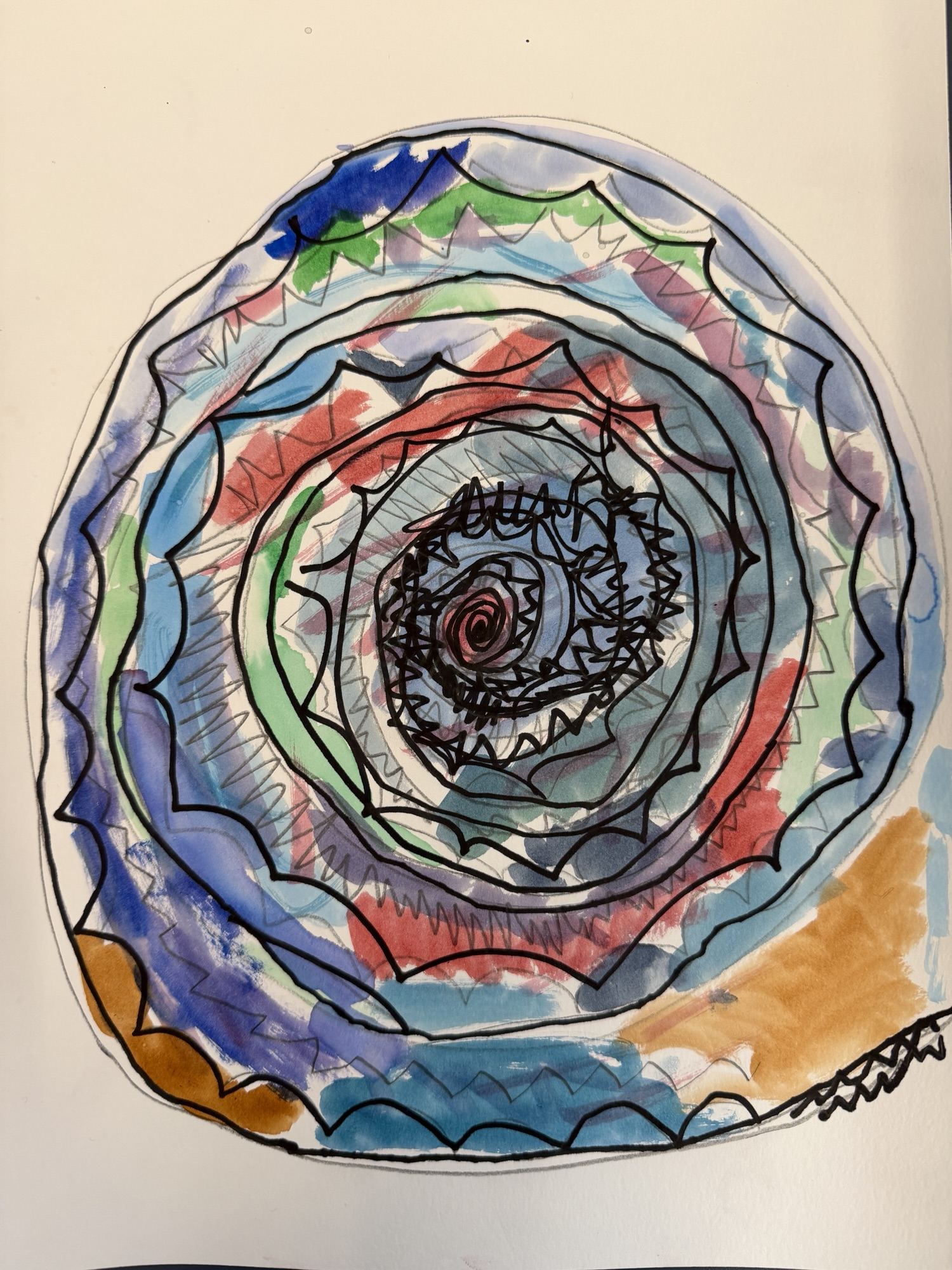
Today we were writing about the paintings of seashells we did earlier in the week inspired by artist Georgia O’Keeffe. They had picked a shell out of my collection, studied it carefully, sketched it and then drew it again making it large and detailed, finally painting it using watercolor. As they wrote today, I encouraged them to use movement, to add detail, to “paint” their seashell using words instead of paint. And paint they did!
G wrote (about the shell above):
My shell is so spiky and pretty much like an oval that it almost looks like a spiky tornado. And when you stick it up it looks like a flower sticking up with the middle sticking up. And if you look inside it looks like a spirally tunnel. And if you feel inside it feels very thick.
“I” wrote (about this shell):
My shell looks like a narwhal horn. If you turn it sideways it looks like a snake. The curves on my shell look like movement. The inside of my shell looks like a home for a crab. The shell looks like a fin on a shark. It looks like a thorn on a sea urchin. It feels like the texture on a crab.
K wrote about the colorful shell above:
My shell spirals like a volcano about to explode because of a tiny red dot at the top. My shell’s spiral texture looks like a brown and green pattern with some blue stripes.
There is something profoundly powerful about having an object in their hands as they wrote. There was no “writer’s block,” no hesitation to put words on the page. When they needed another detail, they just looked again and then picked up their pencil and wrote.
I’m loving this newfound independence and also watching students revel in experimenting with words. I know the trajectory is never an even curve, that there will still be ups and down as they learn new skills and experiment with different ways of expressing themselves.
As Write Out ends this weekend, I know that I will continue to have students head outdoors to write under the influence of nature…and to bring nature in so students can study and have their writing inspired by the tactile experience of having natural objects in their hands. Write Out is not just for October…there is so much value in writing out all year long.
Some days getting outside is less about a walk on the beach and more about walking among buildings, on paved paths, up and down stairs, places where concrete, steel, and glass outnumbers the trees.
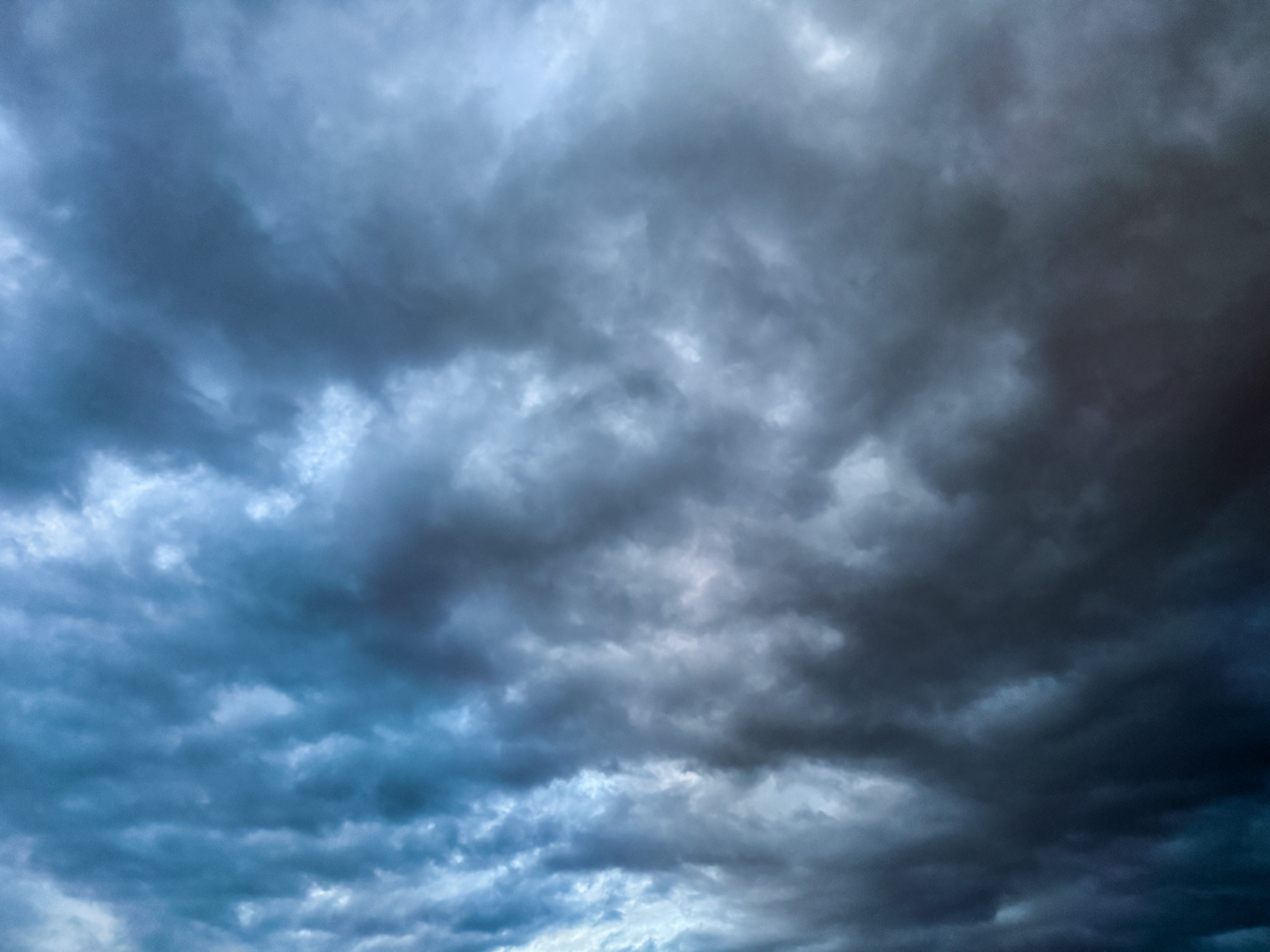
After last night’s rain, the clouds put on a show. They gathered and hovered, swooped and curved, showing off against the brilliant blue sky lighted with October’s still-warm sun.
Feeling a bit stuck about what to write today, I turned to the Write Out mentor text list. I found Rosemerry Wahtola Trommer’s For This I walk Outside and borrowed the line Outside everything is teacher: to get started.
I can never get enough of the spectacular architecture and whimsical Stuart art collection at UCSD. The Geisel library and Fallen Star caught my eye–especially with the clouds nestled up against them.
We’re expecting rain tonight. In many places, that’s usual. In my place, rain is rare and creates an uproar in the community. If it rains during the school day my students will be eating and recessing in the classroom. The backpacks will have to come inside instead of resting on the hooks outdoors. The kids will get wet walking to the cafeteria, to the bathroom, to the library…essentially anywhere they go! Our school was built without regard to rain. After all, rain is rare here.
When it rains, the freeways will become slip and slides. Drivers, not used to driving in weather, will drive too fast. They will drive through accumulated water (since drainage is also a problem) without considering its depth or potential danger. They will hit the breaks too hard and slide, creating traffic obstacles in a place where traffic is already problematic. Maybe that’s why so many in this community just want to hunker down when there is a threat of rain.
But I hope it really does rain tonight. We need rain. For the plants and animals. For the reservoirs and streams. And maybe just to cool our unusually hot weather down a bit. The forecast keeps pushing the time back…but the clouds are roiling and the wind is blowing. We’ve had a few sprinkles in the last hour…
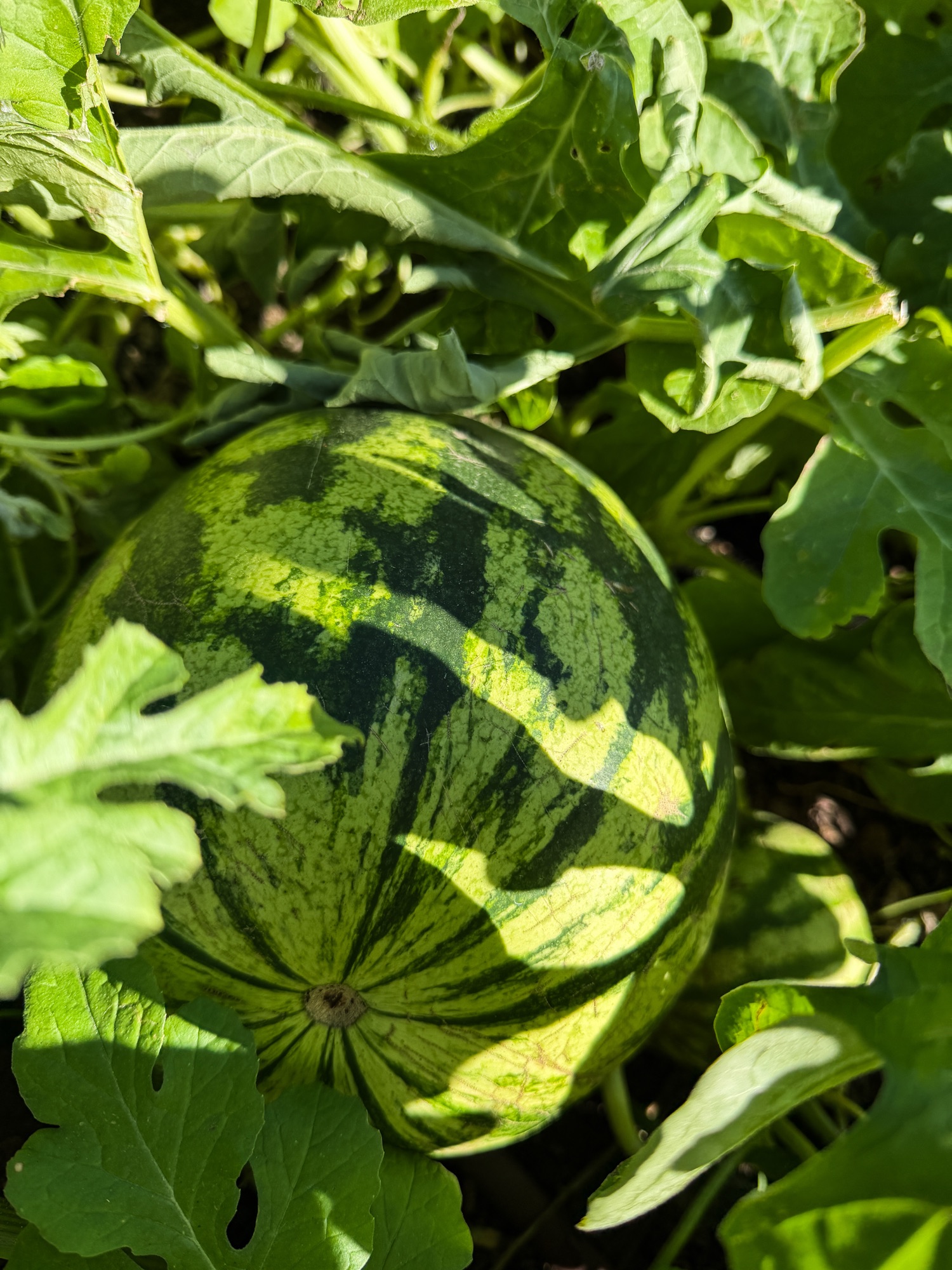
When I was out in the garden with my students yesterday on a Wonder Walk, they were quick to point out the watermelon ripening. Of course I had to take a photo–knowing that it would feature in my writing and thinking in a few days.
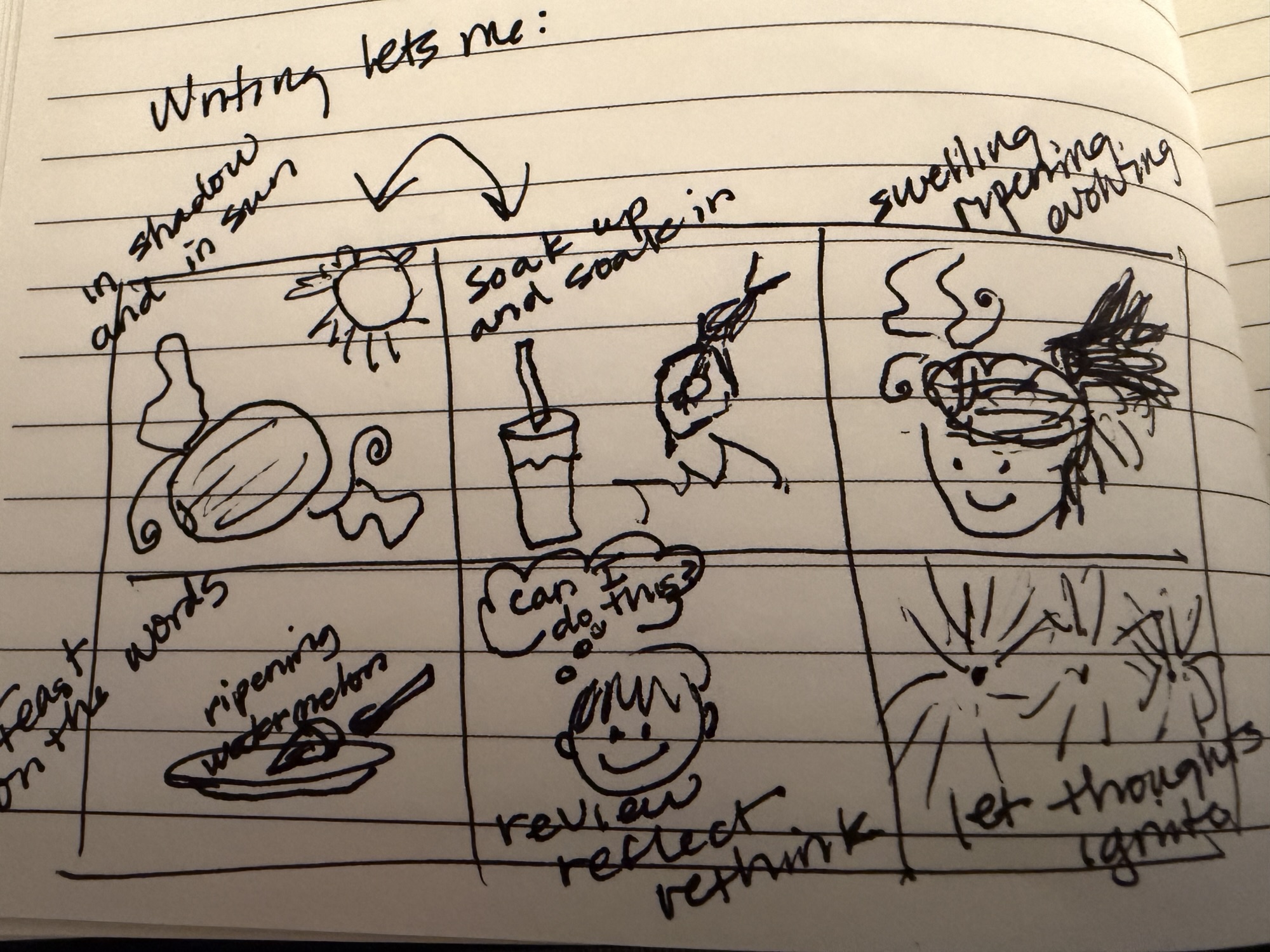
Today I spent the bulk of my day in a math inservice instead of celebrating the National Day on Writing with my students. I hurried home after work to tune into the Write Time livestream that featured Write Out ambassador, Grant Snider (of Poetry Comics fame). As I listened to Grant talk about the importance of his notebook and the need to capture snippets of ideas before they floated away, I realized that I use my camera as a notebook. I capture glimpses of experiences and when I look at them, stories and poems unspool. I found myself thinking about the watermelon as a metaphor for why I write. And while I’m not sure it totally works, ideas emerged.
When Grant talked about how in comics the images need to add something beyond the words, I started scribbling my images, going beyond the watermelon growing in the garden. I started trimming my words, responding to my drawings. You can see from this rough first effort that I started with a watermelon image and then realized that it wasn’t my first image. (I did redraw the entire poetry comic–but haven’t yet taken the time to add color and finalize it–and maybe I won’t get there at all). The process was what mattered most.
Today was the day…the perfect day for a wonder walk. (You can find all the details on the Write Out Choice Board that is linked)
We prepared by reading Wonder Walkers by Micha Archer. This picture book lays out the whimsy of wondering and the power of questions. The first graders in my class understood right away the difference between questions they already knew the answer to and questions that provoked thinking and imagination.
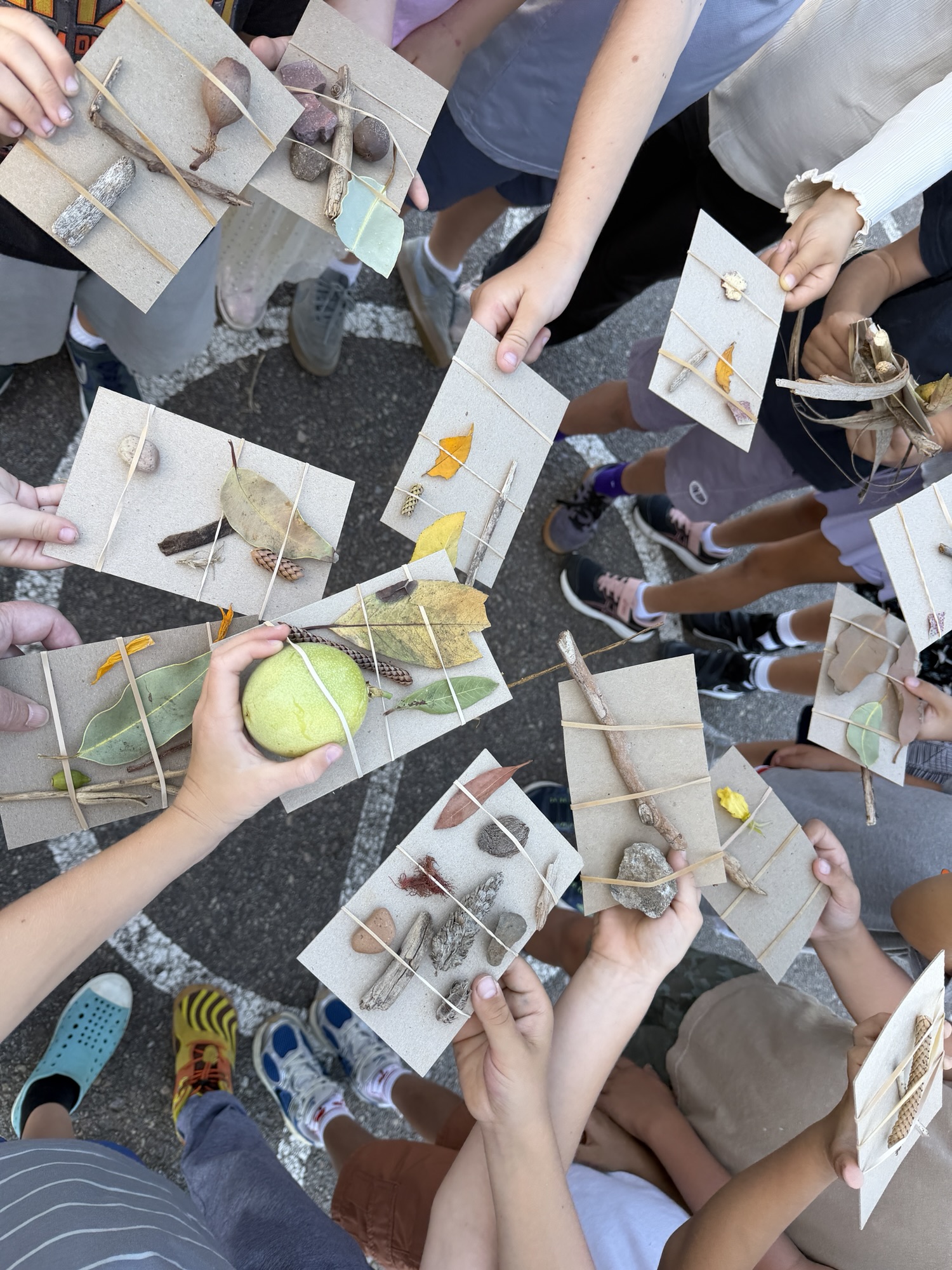
I gave a brief explanation of the small nature collectors we would use as a tool on our wonder walk. And it only took a minute before a student was waving his hand and wanting to know if we would do some writing after our wonder walk. I love when my students truly know me…and we’re there! Of course there will be writing! They had two “jobs” on the wonder walk:
collect some nature items to fit into their collector (without picking from living plants)
think about interesting questions they might ask about the nature items
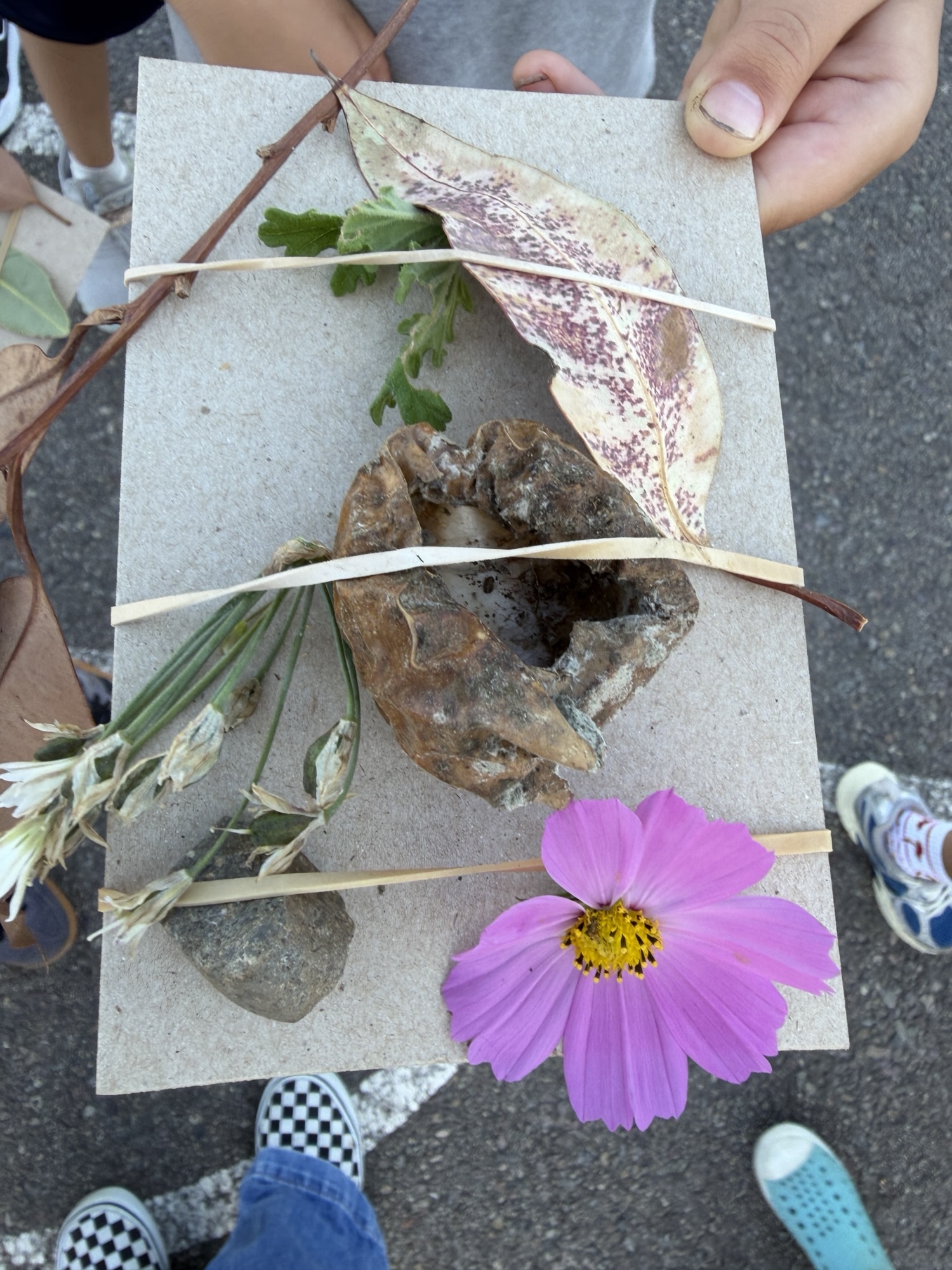
We wandered and wondered and collected. They found rocks and leaves, sticks and dried flower petals, seed pods and other plant matter.
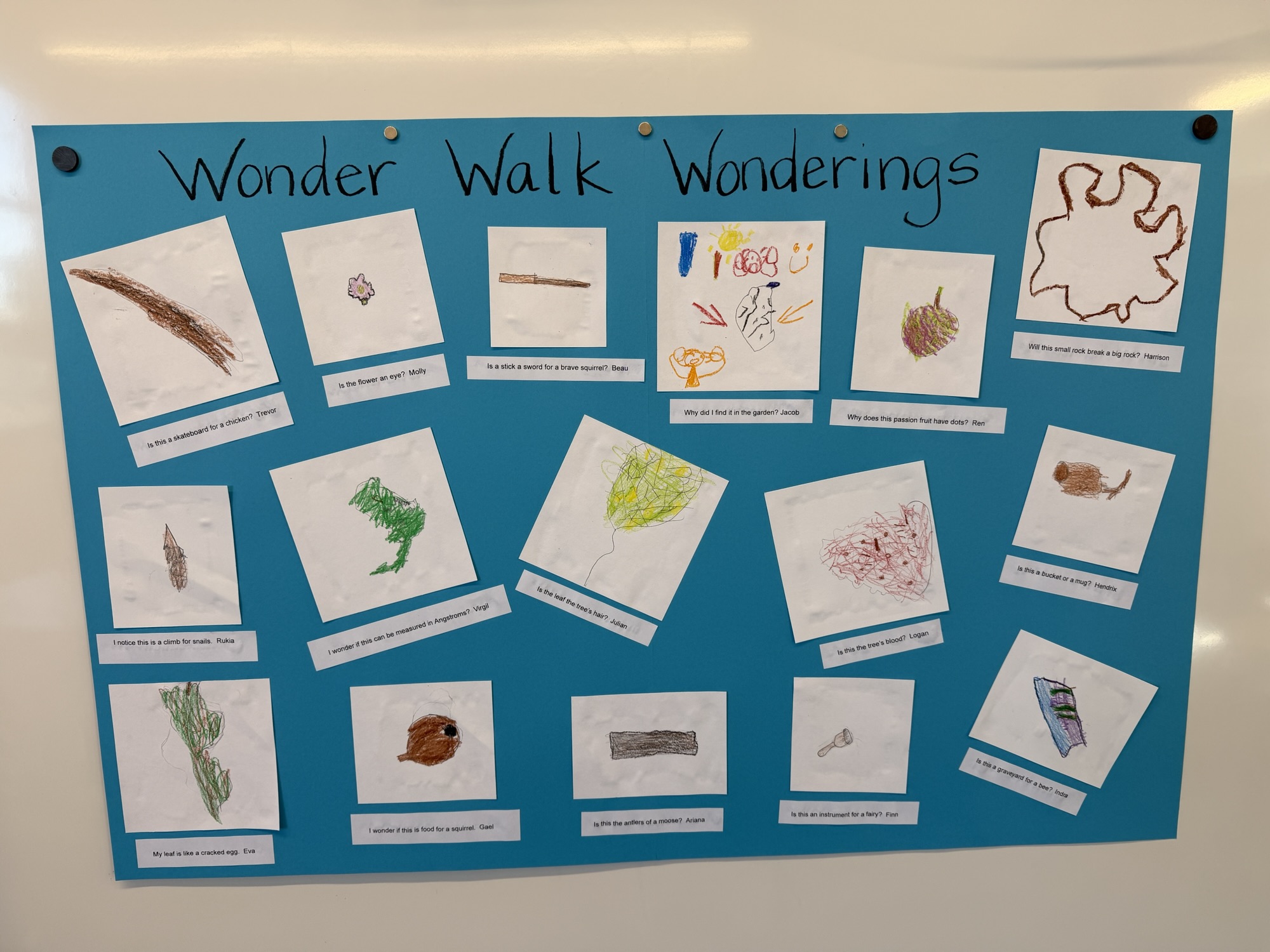
When we got back to the classroom, each student selected one item from their nature collector to draw and write about. They sketched and colored and then turned to their notebooks to write their wonderings.
Then, right before lunch, they picked their favorite question or wondering and wrote it on an index card that I typed up so we could display them. Here’s our Wonder Walk Wonderings!
What will you find on your wonder walk? What wonderings will it evoke?
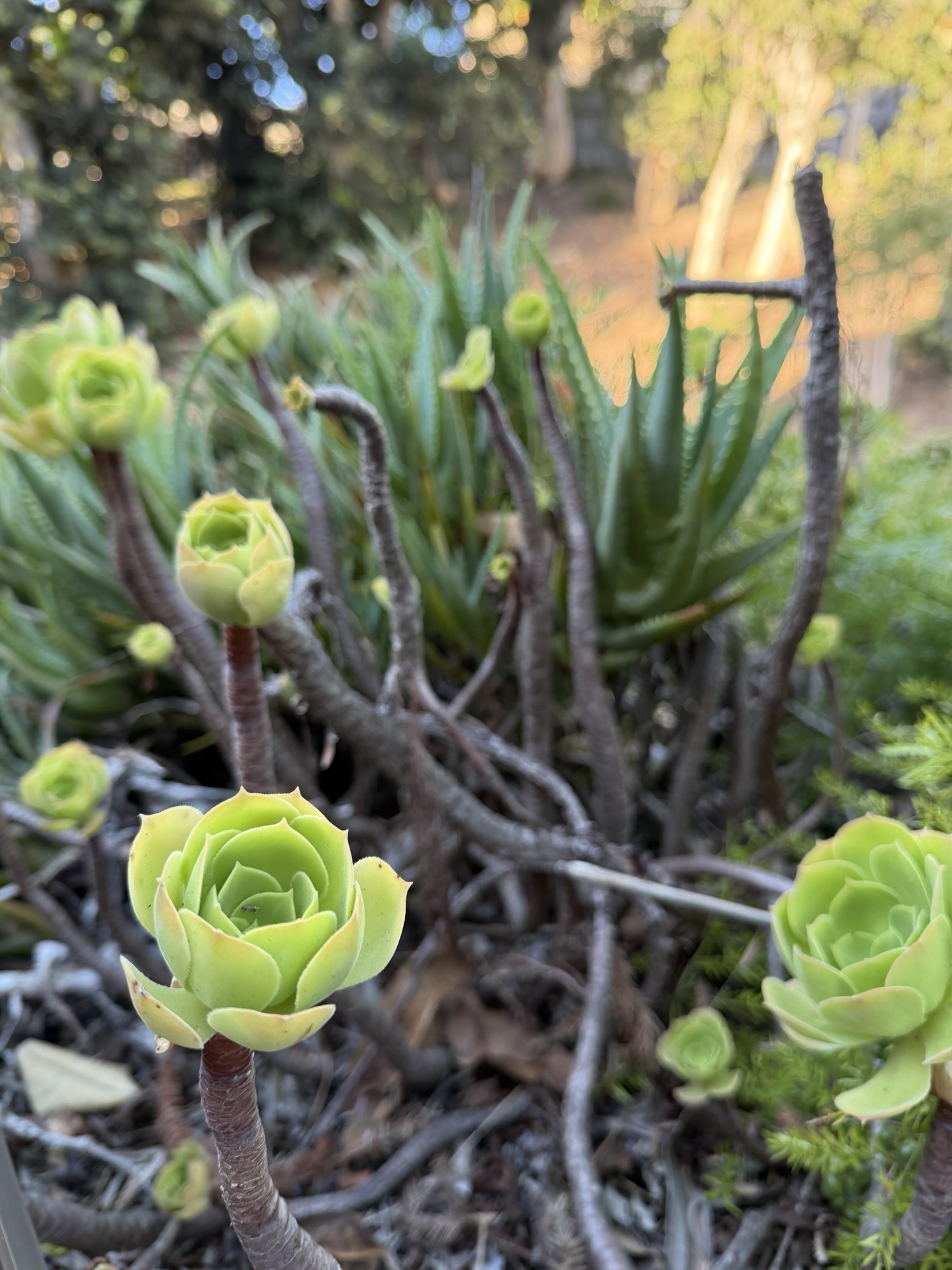
I went out into my backyard in search of something “boring” or “ordinary” to take a photo of and the wild menagerie (as we call it) called me over. The wild menagerie is made up of all the potted plants that have outgrown their pots, are odd looking, or are too unruly for the house. They end up on the back patio–where they seem to thrive in neglect.
I used a prompt from Matt at Ethical ELA where he describes an exercise for describing the most boring object ever (MBOE) as a way of creating fodder (and language) to make a poem. I am drawn to these plants because they remind me of roses, but instead of flowering on a stem, they seem to bloom as a head of a snake. I can imagine them sliding across the ground, intertwining their sinuous bodies as they multiply, filling up an expanse of the patio. It’s hard to remember they were once small succulents in a pot!
So here’s a poem that focuses on that particular batch of succulents who have escaped their pots and have made a “garden” for themselves on the cement of the patio.
Green globes on a stalk
slithering snakes
coiling and crawling and cavorting
beyond their pots
befriending the aloe
encouraging the spiders and lizards
cheering on all the misfit plants
who thrive in this unattended garden
a place where the most hearty
call home
When you step outside, what ordinary or boring plant calls for your attention? What poem will it conjure?
This morning I noticed a prompt over at Ethical ELA where the invitation was to write a cherita. I story poem told in 6 lines and three stanzas. A beginning of a single line, a middle of two lines, and the ending of three lines. And this is also the 4th day of the Write Where We Stand #writeout challenge. The challenge asked how going outside inspires the writer within.
I’m always looking for new ways to approach my writing, so the challenge of the cherita was a welcome way to think about the value of outdoors to my writing process.
Step outside and feel nature course through your veins.
Senses ignite and ideas sprout. Slugs slide, waves wander, trees trumpet, offering invitations your pencil can’t resist.
Lift those magic wands—indoors or out—conjuring words. Words that dance and leap and twirl with the music of wind and water and land. Let them bring us to your place so we can love it like you do.
#writeout #writewherewestand #cherita #smallpoems
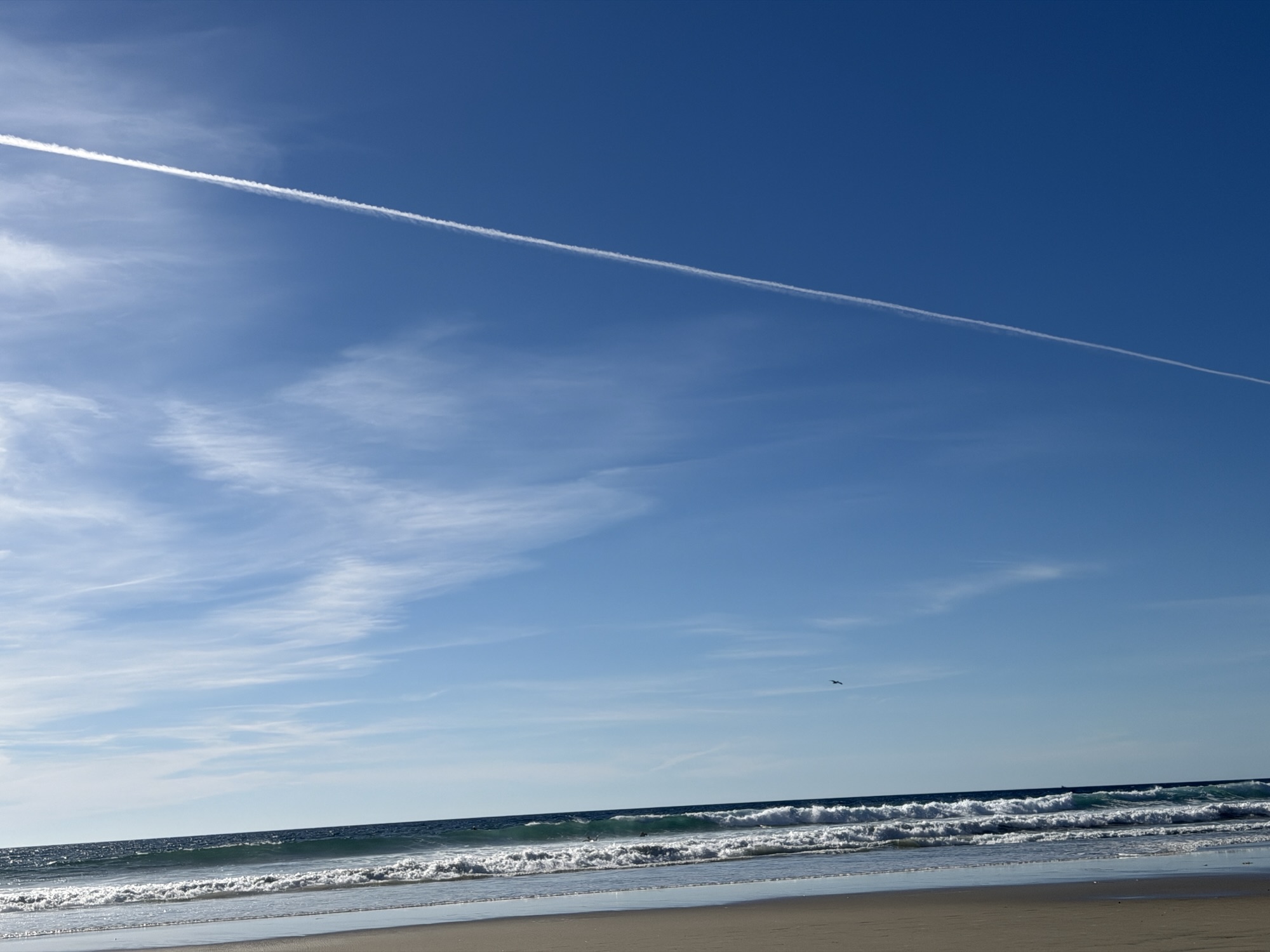
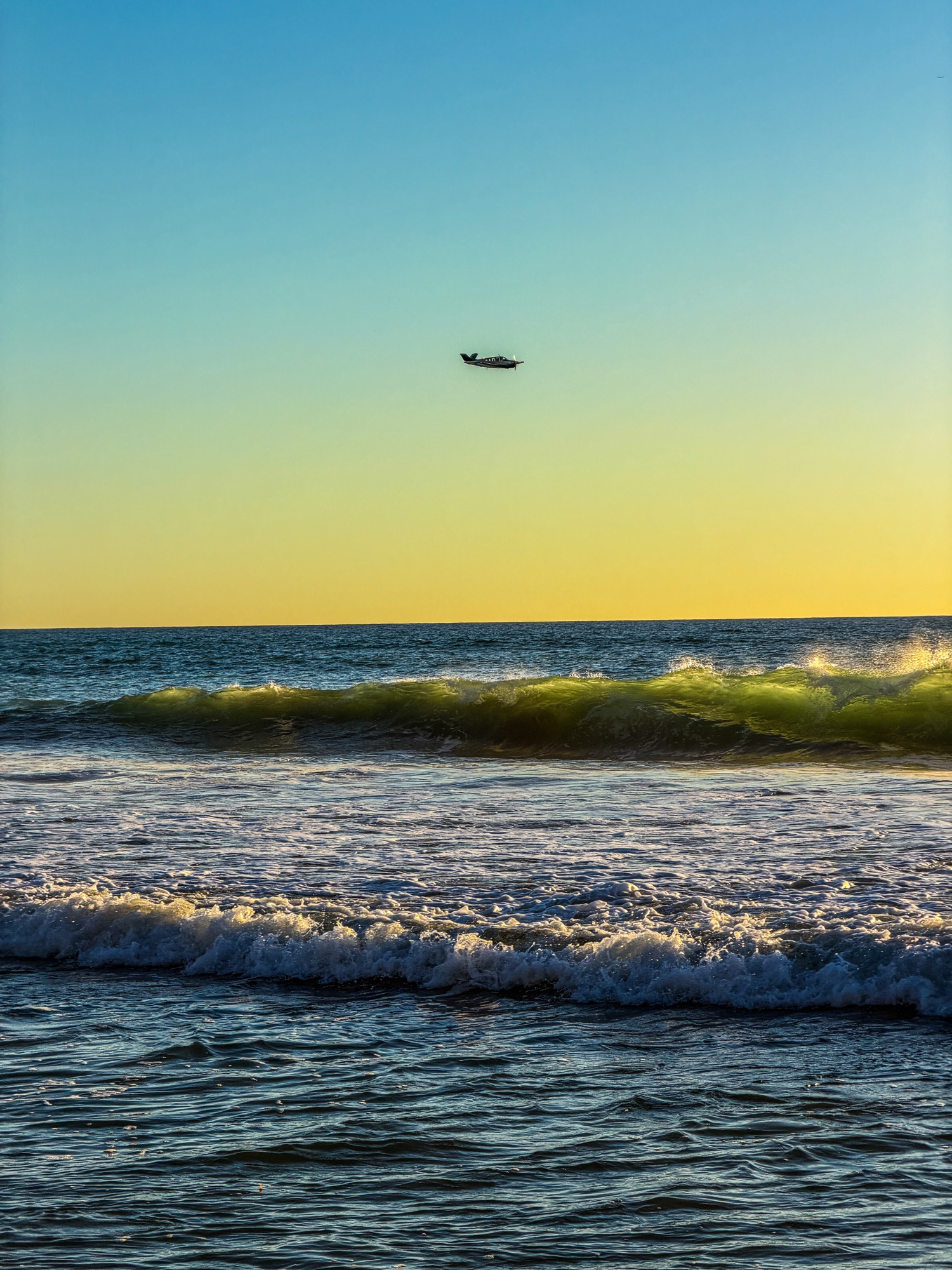
And who can resist all the things I see at the beach…including this low flying plane.
What stories do we need to hear about your place? How does going outside help us better understand the place you love and live?
Today was a HOT day of teaching and then an evening walk on the beach. Inspired by Twig and Toad and a special dispatch by the numbers, I crafted my own enumeration of today by the numbers.
When I arrived at the beach this evening it was 94 degrees. When I left right after sunset, it was 90 degrees. This became the beginning of my list of numbers for the day.
What numbers describe your day?
Today: by the numbers
6:18pm on the beach: 90 degrees
Ocean water: 72 degrees
Sunset: 6:13pm
whales seen today: 0
whales seen yesterday: a pod of orcas frolicking
wildfires in the county: 2
wildfires too close: 2
freeways closed today because of fires: 1 (luckily not for too long and not too close to home—but my heart goes out to commuters who were impacted)
photos taken at the beach: 34
videos of waves crashing: 4
photos taken at school: 11
sweaty first graders in class today: 16
successful acorn art projects with short poems created by first graders: 16
Top wind gust speeds on campus today: up to 22 mph
Length of time spent napping after teaching and before walking on the beach: 15 minutes
Length of beach walk: 3 miles
Overall evaluation of the day: 5 out of 5 stars. Can’t complain, but I will whine a bit about the heat and the Santa Ana winds.